
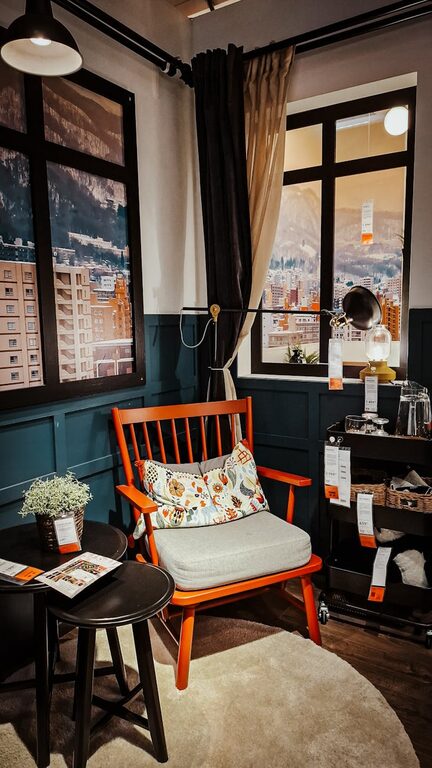
Lighting plays a crucial role in shaping the mood and functionality of your living space. Whether you’re reading, working, relaxing, or entertaining, comfortable home lighting can make a significant difference in how you feel and interact with your rooms. Choosing the right lighting is about more than just brightness; it’s about creating an environment that suits your needs and lifestyle.
In this post, we’ll explore practical tips to help you select home lighting that combines comfort, aesthetics, and efficiency.
Understand the Different Types of Lighting
Before diving into purchasing new fixtures or bulbs, it’s important to understand the three main types of lighting:
– Ambient Lighting: This is the general illumination that lights up the entire room. Examples include ceiling lights, chandeliers, or wall-mounted fixtures.
– Task Lighting: Focused lighting designed to help you perform specific activities, such as reading lamps, desk lights, or under-cabinet lights in the kitchen.
– Accent Lighting: Used to highlight features like artwork, plants, or architectural details. This includes spotlights and wall sconces.
By combining these lighting layers, you can create a balanced and comfortable space.
Choose the Right Bulb Type and Color Temperature
The kind of bulb you use significantly affects comfort and ambiance.
Bulb Types
– LED Bulbs: Energy-efficient and long-lasting, LEDs are available in various styles and brightness levels.
– Incandescent Bulbs: Offer warm, natural light but consume more energy and have a shorter lifespan.
– Compact Fluorescent Lamps (CFLs): More efficient than incandescent but can take time to reach full brightness.
LEDs are generally the best choice for modern homes due to their efficiency and versatility.
Color Temperature
Measured in Kelvins (K), color temperature determines the warmth or coolness of light:
– Warm White (2700K – 3000K): Cozy and inviting, ideal for living rooms and bedrooms.
– Neutral White (3500K – 4100K): Bright and balanced, suitable for kitchens and bathrooms.
– Cool White (5000K – 6500K): Crisp and energizing, good for workspaces or garages.
For comfortable home lighting, warm white is often preferred in relaxation areas, while neutral white works well in functional spaces.
Opt for Adjustable Lighting Solutions
Having control over your lighting can improve comfort:
– Dimmer Switches: Allow you to adjust brightness according to mood or activity, reducing eye strain.
– Smart Lighting: Enables you to control lights via smartphone or voice commands, customize colors, and set schedules.
– Multiple Fixtures: Layer lighting with different sources so you can tailor the environment throughout the day.
Adjustable lighting ensures flexibility and personalization in your home.
Consider Natural Light and Window Treatments
Natural light is a powerful contributor to a comfortable living space. Maximize daylight by:
– Keeping windows clean and unobstructed.
– Using light, sheer curtains that diffuse sunlight softly.
– Positioning mirrors strategically to reflect natural light deeper into rooms.
Complementing natural light with artificial lighting helps maintain comfort during evenings and cloudy days.
Match Lighting to Room Functions
Each room has specific lighting needs to create the most comfortable setting:
Living Room
Use a combination of ambient lighting with floor or table lamps to create a warm, inviting space. Soft, warm bulbs encourage relaxation.
Kitchen
Bright, task-focused lighting is essential for cooking and food preparation. Consider under-cabinet lights and bright ceiling fixtures with neutral white bulbs.
Bedroom
Emphasize soft, warm lighting to promote restful sleep. Bedside lamps with dimmers offer control for reading or winding down.
Bathroom
Bright, neutral white lighting is best around mirrors for grooming. Avoid harsh overhead lights by adding vanity lamps.
Home Office
Balanced lighting that reduces glare on screens is key. Use bright, neutral or cool white bulbs and adjustable desk lamps.
Pay Attention to Lighting Placement
The position of lights affects comfort:
– Avoid direct overhead lighting that can cause shadows or glare.
– Use layered lighting to soften the overall effect.
– Position task lights close to where the activity happens.
– Highlight artwork or features with accent lights to add depth.
Proper placement reduces eye strain and enhances the room’s atmosphere.
Select Fixtures That Complement Your Style
Comfortable lighting should also reflect your personal taste and fit your décor:
– Choose fixtures with shades that diffuse light softly.
– Opt for materials and finishes that align with your interior design.
– Consider the size and scale of fixtures relative to the room.
A cohesive look adds to the overall comfort and enjoyment of your space.
Maintain Your Lighting for Long-Term Comfort
To keep your lighting comfortable over time:
– Clean light fixtures regularly to ensure maximum brightness.
– Replace bulbs promptly when they dim or burn out.
– Update outdated fixtures if they no longer meet your needs.
Regular maintenance sustains both function and ambiance.
—
By carefully considering these factors, you can create a home lighting setup that feels welcoming, supports your daily activities, and enhances your living environment. Comfortable lighting is achievable with the right mix of bulb type, fixture style, placement, and control options.
Happy lighting!