
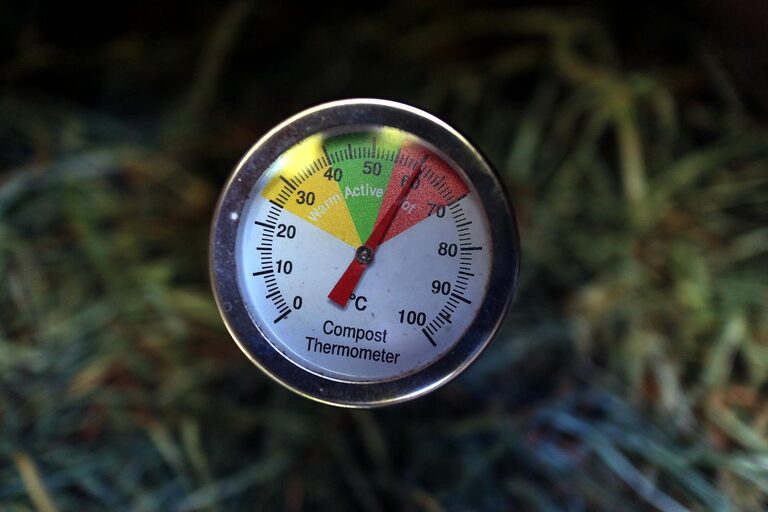
Composting at home is a fantastic way to reduce waste while creating nutrient-rich soil for your garden. If you’re new to composting, the process may seem a bit daunting, but with the right guidance, it’s easy to get started. This post will walk you through beginner tips for composting successfully, so you can enjoy the benefits of healthy soil and a greener lifestyle.
What Is Composting?
Composting is the natural process of recycling organic matter, such as food scraps and yard waste, into a rich soil amendment known as compost. Compost improves soil structure, adds nutrients, and supports plant growth. Instead of tossing kitchen scraps into the trash, composting lets you put them to good use.
Why Should You Compost at Home?
– Reduce Waste: Composting keeps food scraps and yard waste out of landfills, reducing methane emissions.
– Improve Soil: Homemade compost enriches your garden soil naturally.
– Save Money: Cut down on buying chemical fertilizers.
– Support the Environment: Less landfill waste means a smaller carbon footprint.
Getting Started: Essential Tips for Beginners
1. Choose the Right Composting Method
There are several ways to compost, and you can select one that fits your space and lifestyle:
– Outdoor Compost Bin: Great for gardeners with yard space; bins can be purchased or homemade.
– Compost Pile: Simple and inexpensive, but requires a bit more space and maintenance.
– Worm Composting (Vermicomposting): Uses worms to break down scraps indoors; ideal for apartments or small spaces.
– Tumbler Composters: Enclosed, rotating bins that speed up composting and reduce odors.
2. Select a Good Location
Place your compost bin or pile in a convenient spot that gets some sunlight but isn’t harshly exposed. Good airflow and moisture are essential, so avoid very dry or soggy areas.
3. Know What to Compost: Greens and Browns
A successful compost pile needs a balance of “green” and “brown” materials.
– Greens: Nitrogen-rich items like fruit and vegetable scraps, coffee grounds, tea bags, fresh grass clippings, and eggshells.
– Browns: Carbon-rich materials like dry leaves, shredded newspaper, cardboard, twigs, and straw.
Try to maintain a roughly 2:1 or 3:1 ratio of browns to greens. Too much green can make the pile smelly; too much brown slows decomposition.
4. Avoid Composting These Items
Some materials don’t belong in your compost bin:
– Meat, dairy, and oily foods (attract pests and cause odor)
– Diseased plants or invasive weeds
– Pet feces (may contain harmful pathogens)
– Synthetic materials like plastic and metals
5. Prepare Your Scraps
Chop or shred larger scraps to speed decomposition. This increases surface area so microbes can work efficiently.
6. Keep Your Compost Moist
The compost pile should be about as damp as a wrung-out sponge. If it’s too dry, add water; if it’s too wet and slimy, mix in more brown materials.
7. Turn Your Pile Regularly
Aeration accelerates composting by supplying oxygen to microbes. Turn your pile every week or two with a garden fork or shovel. Tumbler composters make this easy.
8. Be Patient
Depending on factors like temperature, moisture, and the materials used, compost can take anywhere from a few weeks to several months to mature. Finished compost is dark brown, crumbly, and smells earthy.
Troubleshooting Common Composting Issues
Even beginners run into problems now and then. Here are some quick fixes:
– Bad Smell: Usually from too much green or moisture. Add browns and turn the pile to introduce air.
– Pile Not Heating Up: You may need more greens or to turn it more often.
– Pile Too Dry: Water it lightly and cover it to retain moisture.
– Fruit Flies or Pests: Bury fresh food scraps deeper, cover with browns, or use a closed compost bin.
Using Your Finished Compost
Once your compost is ready, you can:
– Mix it into garden beds or containers to improve soil fertility.
– Use it as mulch around plants to retain moisture and suppress weeds.
– Blend it into potting soil for houseplants or seedlings.
Final Thoughts
Composting at home is a rewarding practice that benefits your garden, reduces household waste, and supports a healthier environment. Starting with these beginner tips can help you develop a successful composting habit. Remember, composting is a natural process, and learning as you go is part of the fun. Happy composting!
—
If you found this guide helpful, feel free to share your composting journey in the comments below!